
How to Clean a Cooler and Store It for the Off-Season
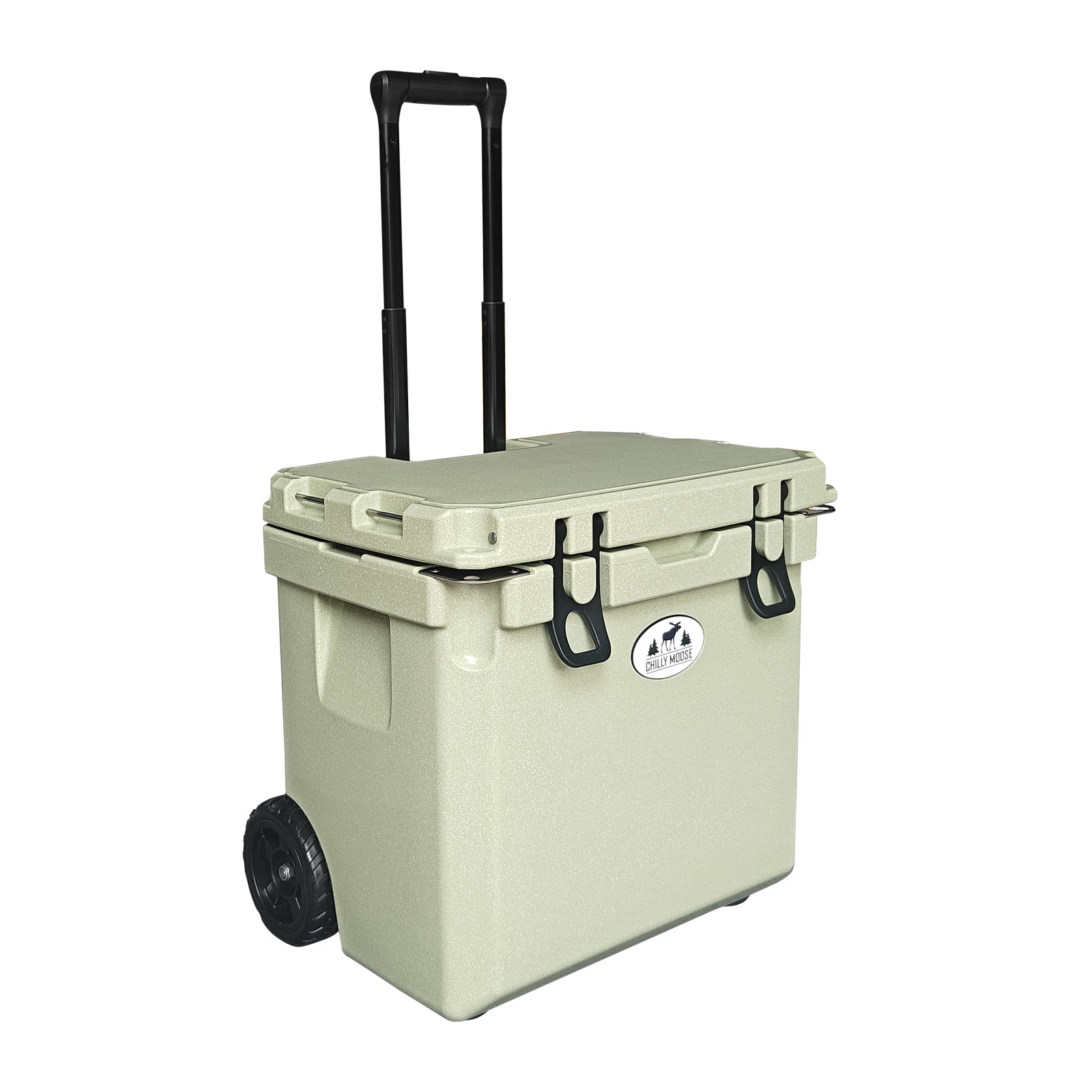
Clean a cooler the day you get home: if your cooler has a drain plug, open it and drain completely, wash the interior with warm water and mild dish soap, wipe the gasket and lid contact points, and rinse. For lingering odours, leave a paste of baking soda and water on the interior overnight before rinsing. Then dry it completely and store it with the lid propped open, which helps the interior stay dry and fresh through the off-season.
Most coolers do not wear out. They get put away damp, sit closed in a shed for eight months, and come out in May smelling like a science experiment with a lid that no longer seals properly. Twenty minutes in September prevents all of it.
Clean it the day you get home, not the day before the next trip
The gap between the trip ending and the cooler being cleaned is where the trouble starts. Fish water, meat juices, and spilled dairy get a lot harder to deal with after a week in a warm garage.
- Drain fully through the release valve. Tipping a loaded cooler puts the whole weight through the handles and hinges, so use the valve, per Chilly Moose product specifications.
- Take everything out. Baskets, dividers, and ice packs come out and get washed separately.
- Wash the interior with warm water and mild dish soap, working into the corners where residue collects.
- Do the gasket and the lid contact points. This is the step people skip, and it is the one that affects sealing.
- Rinse and wipe down the exterior, including the drain area, handles, and the underside.
Getting the smell out
If the cooler already smells, washing alone often will not fix it. Odours sit in the residue rather than the plastic.
- Baking soda paste. Mix baking soda with a little water, spread it over the interior, leave it overnight, then rinse. This is the one that handles most fish and meat odours.
- Diluted white vinegar. A vinegar and water solution wiped over the interior and left for an hour helps with mustiness in particular.
- Fresh air. Leave the cooler open in a well-ventilated area. An open cooler airing out does a surprising amount on its own.
- Repeat rather than escalate. Two gentle rounds beat one harsh one. Check the manufacturer's guidance before using anything stronger, since aggressive chemicals can damage gaskets and interior surfaces.
The real fix is preventative: seal raw meat and fish before they go in, and most of this never becomes an issue.
Dry it properly, because this is where mould starts
A cooler that goes into storage even slightly damp is a cooler that grows something over the off-season. Trapped moisture can encourage mould, mildew and odours during storage.
Leave it open somewhere with moving air until the interior is completely dry to the touch, including under the gasket and around the drain fitting. Allow it to air-dry completely.
Wipe the drain plug and its threads separately. Water sits in there and it is easy to miss.
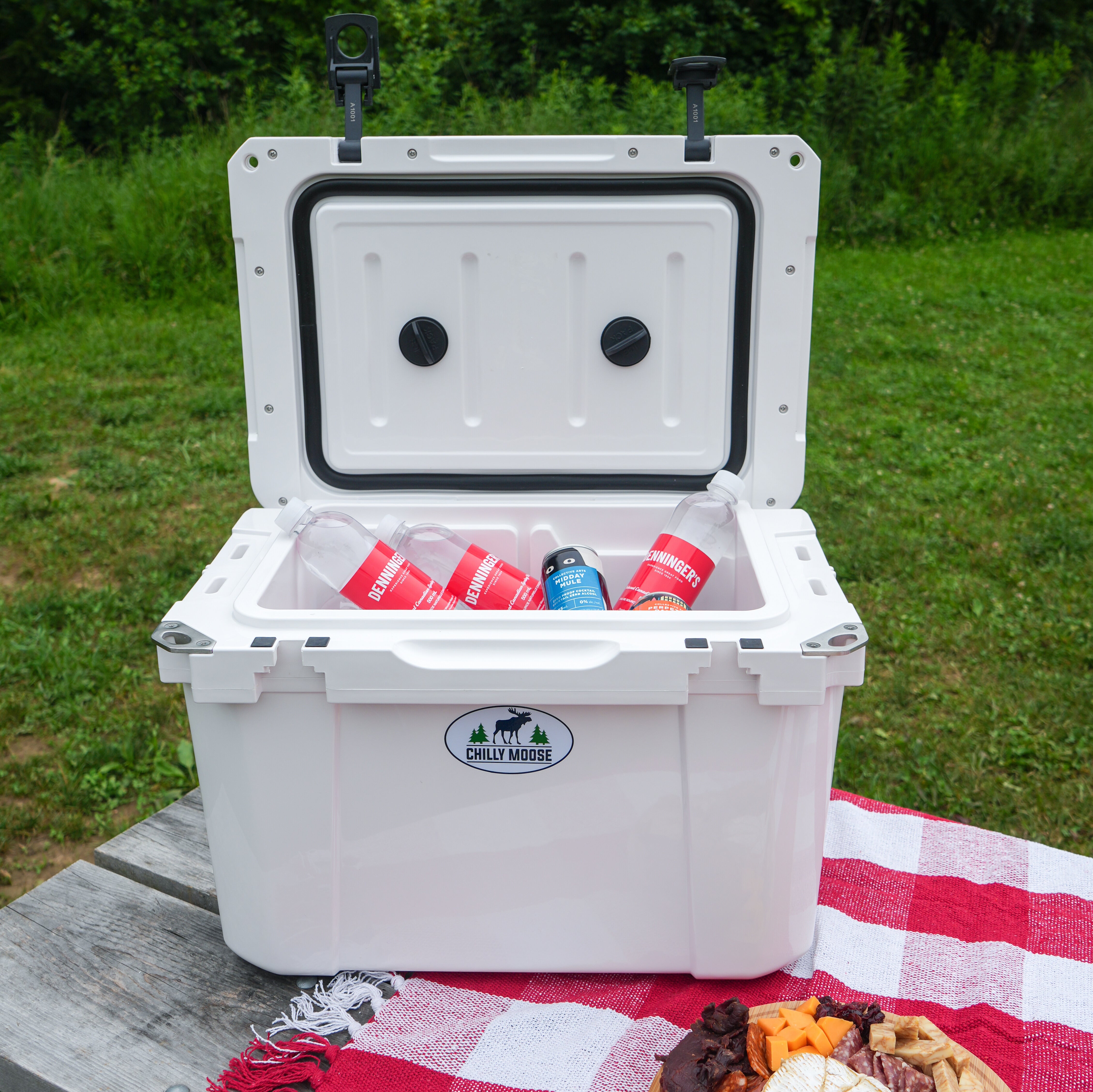
Store it with the lid propped open
If you do one thing from this whole guide, do this one.
Storing a cooler latched shut for months keeps the lid seal under constant pressure and traps whatever moisture is left inside. Propping the lid open lets air move through and takes that pressure off the seal.
Prop the lid open a few centimetres with a rolled towel or a block. Some people leave the latches undone and the lid resting ajar, which works just as well. Store it somewhere dry and out of direct sun, off a concrete floor if you can.
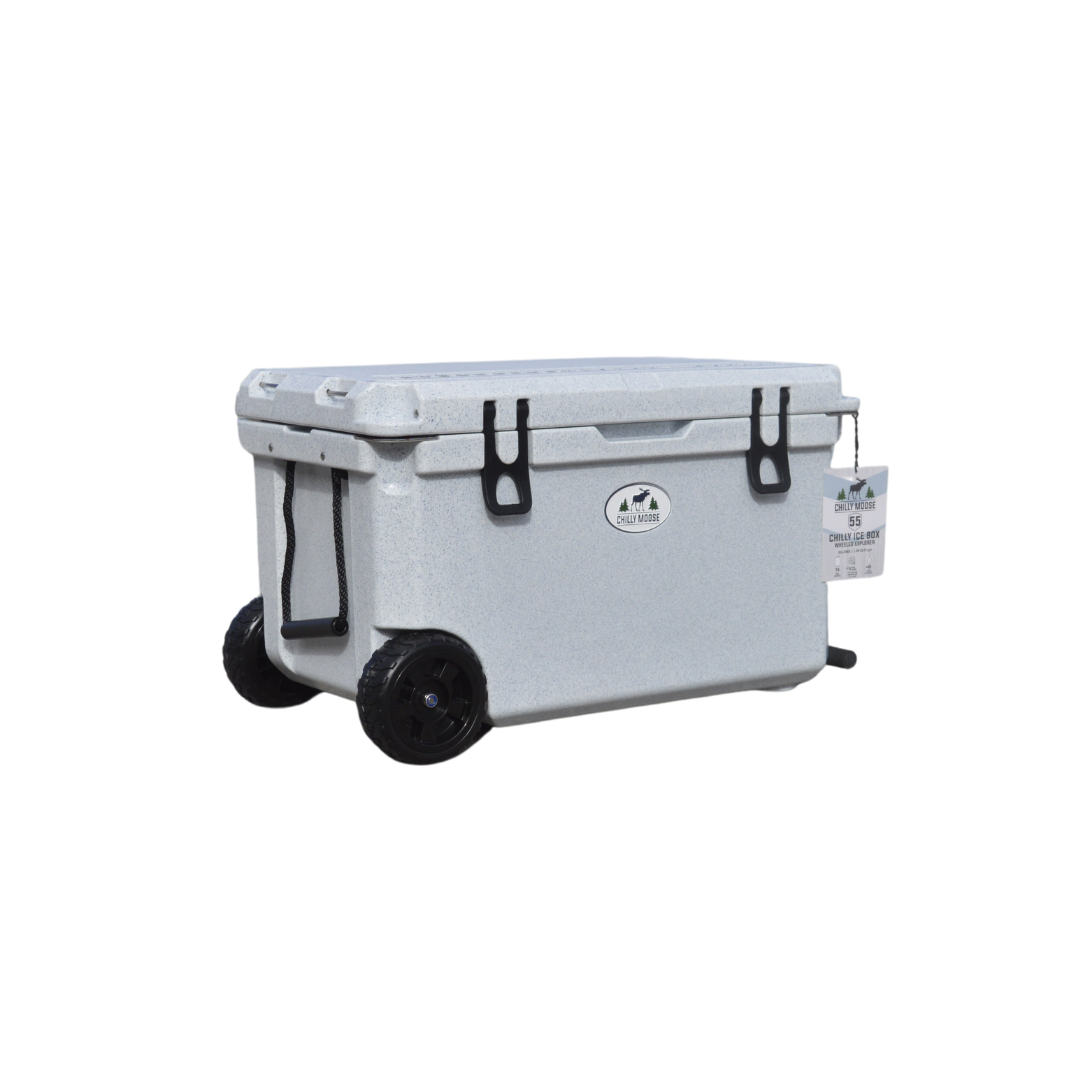
Check the wearing parts before you put it away
Autumn is the sensible time for this, because you are not trying to fix anything the morning you leave for a trip.
- Latches: a latch that no longer pulls the lid down tight is costing you ice retention. Damaged or loose latches can prevent the lid from closing securely. Replacement latches are a small part rather than a reason to replace a cooler.
- Drain plug: the easiest part to lose entirely. A replacement drain plug costs very little and a missing one makes the cooler unusable.
- Feet: worn feet mean the cooler slides on a deck or a truck bed. Replacement feet sort that out.
- Gasket and lid seal: press the lid closed and look for gaps. A gasket that no longer springs back is due for attention.
Order what you need in the off-season and it is fitted and forgotten before spring.
Looking after drinkware and soft coolers too
Soft coolers get the same principle applied differently: empty and wipe the interior, clean with a mild all-purpose cleaner, dry it fully, and store it with the top open rather than rolled shut, per Chilly Moose product specifications.
Drinkware wants the silicone seals taken out and washed underneath, since that is where residue hides. Let seals dry fully before reassembling, and replace one once the silicone feels stiff rather than springy.
Bringing it out again in spring
Rinse it before the first trip, check the latches close firmly, confirm the drain plug is seated, and pre-chill it the night before you load it. A cooler stored properly needs about five minutes of attention before it is ready.
Why we build coolers you can look after
Chilly Moose is a woman-founded, family-owned Canadian company that started at a kitchen table in Schomberg, Ontario. We back hard coolers with a 5-year limited warranty and stock the small parts that wear, per Chilly Moose product specifications. A cooler that gets cleaned and stored properly should outlast several sets of latches. That is the whole idea behind Over Engineered Not Over Priced®.
Frequently asked questions
Can I put a cooler in the dishwasher?
No. Hard coolers are far too large, and the heat is not good for gaskets or interior surfaces. Warm water, mild dish soap, and a cloth is the right approach.
Is bleach safe to use inside a cooler?
Check your cooler's care guidance first. Mild dish soap handles most cleaning, and baking soda handles most odours, so start there rather than reaching for something harsh on a food surface.
Why does my cooler not keep ice as long as it used to?
Often it comes down to how well the lid is sealing rather than the insulation itself. A worn seal, or a latch that no longer pulls the lid fully closed, can affect performance while the cooler still looks fine.
Where is the best place to store a cooler in the off-season?
Somewhere dry, out of direct sun, off a bare concrete floor, with the lid propped open. A shed is fine if it stays dry. A damp basement corner is the one to avoid.
Do I need to do anything special before the first trip of the season?
Rinse it, check the latches and drain plug, and pre-chill it overnight before you load it. That is genuinely all.
Shop the Products in This Article
Wash it, dry it, prop the lid, order any parts now. Twenty minutes in the fall buys you a cooler that works properly next summer.


